How Florida rental owners should prepare for hurricane season
Pre-season repairs, the tenant storm plan, the first week after landfall, Citizens and NFIP facts, and why F.S. 501.160 limits rent increases after a declaration.
Don HarkinsPublished 7 min read
Key takeaways
- Walk the roof, trees and insurance in April or May, while contractors and carriers are still taking calls
- Give the tenant a written storm plan at move-in that says who secures what and how to reach you
- Citizens county averages run from $1,409 in Orange to $2,348 in Brevard, and the NFIP is authorized through December 11, 2026
- F.S. 83.512 requires a separate written flood disclosure before any lease of a year or longer
- After a Governor's emergency declaration, F.S. 501.160 bars rent that is a gross disparity from your pre-storm pricing
In this article
Prepare a Florida rental for hurricane season in three stages: before June 1, when the roof, trees, drainage and insurance get checked; in the 48 hours before landfall, when the tenant secures the home and you confirm who does what; and in the week after, when you document damage, file claims and keep every rent decision inside Florida's price-gouging law. The season runs June 1 to November 30, and NOAA's August 2026 update called for only 7 to 13 named storms with a 75% chance of a below-normal year. A quiet forecast is not a plan.
What should I do before a storm has a name?
Most hurricane damage to a rental starts with something that was already weak: a lifted shingle, a clogged gutter, an oak limb over the roof. Walk the property in April or May and fix those items while contractors still have open calendars. The Florida Division of Emergency Management's Plan and Prepare page asks every household to know its evacuation zone, build a seven-day supply kit and sign up for county alerts. For an owner, add four jobs.
- Inspect and repair the roof, soffits, gutters and downspouts, and trim trees back from the structure.
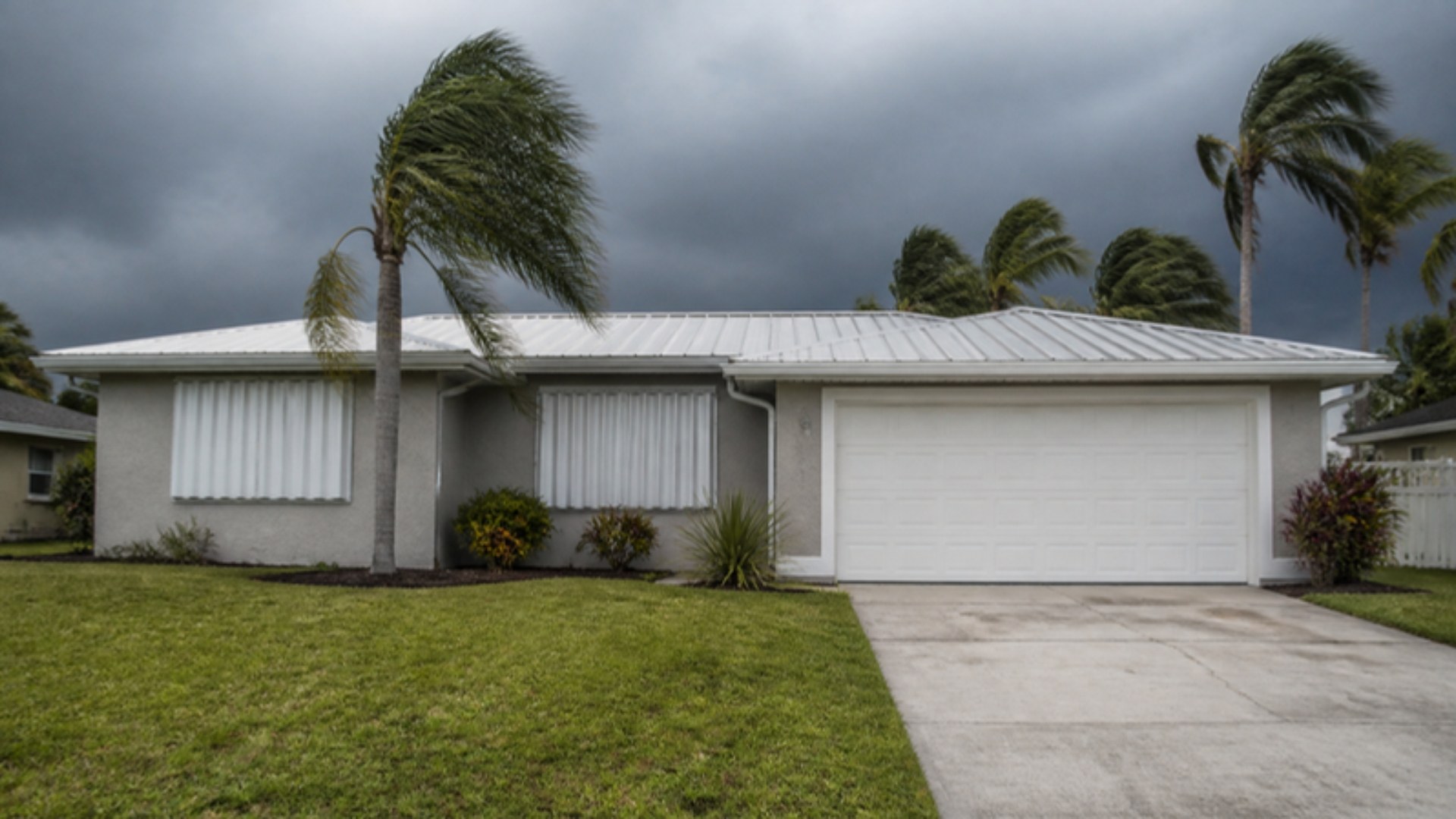
- Confirm shutters or panels are on site and labeled, and that the tenant knows where the hardware is stored.
- Photograph every room and the exterior, date the files and store them off site as your pre-loss record.
- Read your declarations page for the hurricane deductible (often a percentage of dwelling coverage, not a flat amount), whether wind is covered at all, and whether you carry a separate flood policy. Wind and flood are separate policies in Florida.
Then give the tenant a short storm letter at move-in and again each June: who secures the exterior, where the shutoffs are, how to reach you if the home becomes unsafe, and that the tenant's belongings are covered only by the tenant's own renter's policy.
What happens when a watch or warning is issued?
Once the National Hurricane Center posts a watch for your county, you have roughly two days. The tenant does the physical work because they are there: closing shutters, bringing in patio furniture, moving the car out from under trees. Your job is communication. Send one message that confirms the plan, repeats the emergency contact, and asks whether they intend to stay or evacuate; if the county orders an evacuation for their zone, say you expect them to follow it.
Two things an owner should not do. Do not ask a tenant to climb a ladder or install hardware they have never been shown how to use. And do not shut off utilities to an occupied home as a precaution. F.S. 83.67 prohibits a landlord from directly or indirectly interrupting utility service to a tenant.
Key point: Your tenant is the first responder at your property. Hand them a written plan in June, not a text message when the cone appears.
What do I do in the first week after the storm?
Safety first, then documentation, then repairs. Confirm the tenant is safe and whether the home is livable. Ask for photos the day the weather clears, then get your own set within 72 hours if roads allow. Make temporary repairs that stop further loss, such as a roof tarp, and keep every receipt; most policies require you to protect the property from further damage and reimburse reasonable emergency work. Report the claim before you have a contractor estimate. Then hire licensed, insured contractors only; unpermitted work surfaces at the next sale.
If the home is not livable, call your attorney before deciding anything about rent. F.S. 83.56(1) addresses the case where a landlord cannot comply with F.S. 83.51(1) for causes beyond the landlord's control and keeps making every reasonable effort to fix it: the parties may terminate or alter the lease, a tenant who vacates an untenantable unit owes no rent while it stays uninhabitable, and a tenant who stays pays rent reduced in proportion to the lost rental value. Put whatever you agree in writing.
Will my insurance actually pay?
Two policies are yours, wind and flood; the tenant's belongings are on the tenant's renter's policy.
Citizens Property Insurance, the state-backed carrier, reported 254,836 policies in force on September 30, 2026, down from 568,914 a year earlier as private carriers took policies back. Its April 2026 county averages were $1,409 in Orange, $1,572 in Seminole, $1,735 in Osceola, $1,756 in Lake and $2,348 in Brevard.
Flood is federal. The National Flood Insurance Program was set to expire September 30, 2026, and Congress extended it to December 11, 2026 under P.L. 119-103, according to the Congressional Research Service's September 11 update. It did not lapse this fall, although it did twice in the prior year. The risk is at the closing table: during a lapse FEMA cannot write new policies, and a purchase in a special flood hazard area cannot close. If you are buying or refinancing a flood-zone rental, bind coverage before December 11.
One more flood item is a lease requirement. F.S. 83.512 requires a landlord to hand a prospective tenant a separate written flood disclosure at or before signing any lease of one year or longer, stating whether the landlord knows of flooding that damaged the unit during their ownership, has filed a flood claim, or has received flood assistance such as FEMA aid. Skip it, and a tenant who later suffers a substantial loss from flooding may terminate the lease within 30 days of the damage. Have your attorney confirm your lease package includes the current form; more on that session is in the 2025 and 2026 law changes post.
Can I raise the rent after a hurricane?
Not in a way that looks like gouging. Once the Governor declares a state of emergency, F.S. 501.160 makes it unlawful to rent or offer to rent any dwelling unit at an unconscionable price within the declared area. The test is a gross disparity between what you charge and the average price at which the unit was rented or offered during the 30 days immediately before the declaration, unless the increase is attributable to additional costs or to regional, national or international market trends. The prohibition runs up to 60 days under the initial declaration, and the Governor can extend it by executive order. Enforcement belongs to the Attorney General and state attorneys; the statute creates no private lawsuit.
Keep a record of your asking rent and listings from the 30 days before a declaration. A renewal already in motion at pre-storm pricing is fine. A vacant unit relisted at a premium the week after landfall, when displaced families are competing for housing, is exactly what the statute targets.
What this means in Central Florida and on the Space Coast
Brevard County carries the heaviest Citizens exposure in Sea Dog's footprint: 6,986 Citizens policies and the highest county average at $2,348 as of April 2026, against 4,204 policies and $1,409 in Orange. Coastal Brevard rentals in Cocoa Beach, Cape Canaveral and Merritt Island sit in evacuation zones that get called early, so the tenant plan there has to cover leaving, not just shutters. Inland Orange, Seminole, Osceola and Lake rentals see fewer evacuation orders but plenty of tree, roof and fence damage from wind and rain bands. Neither region took a landfall in 2026. Isaias came ashore near Destin on October 9 with 105 mph winds and more than 500,000 outages, and Tropical Storm Bertha in July was enough to close Citizens binding for three days. A binding suspension means nobody can buy or change coverage once a storm is in the forecast, so do the insurance review in April. Sea Dog runs a pre-season inspection and a tenant hurricane kit for every managed home in Central Florida and on the Space Coast.
Next step
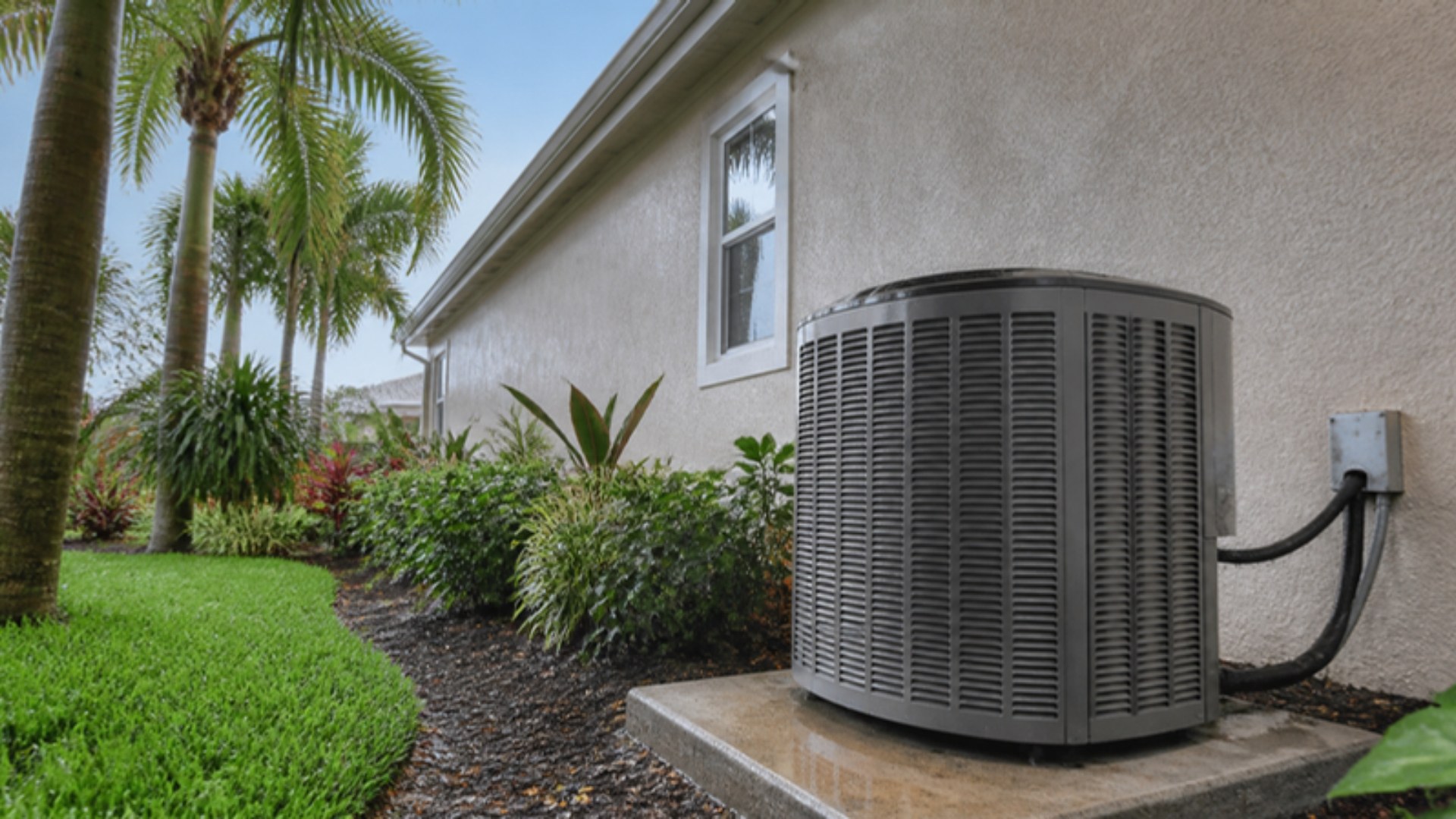
If you would rather have one company walk the roof in May, send the tenant letter and manage the post-storm repairs, that is part of what management from 8% of monthly rent covers. Start on the start management page and we will set the pre-season inspection date for your property. The system most likely to fail after a storm is the air conditioner; our HVAC post covers who pays and how often to service it.
Frequently asked questions
Can I make my tenant put up the shutters?
Only if the lease says so and the tenant has been shown how. Many Florida leases assign exterior storm prep to the tenant because they are on site, but you cannot make a tenant climb a ladder or handle hardware they were never trained on, and the F.S. 83.51 duties to keep the roof, windows and structure in repair stay with you. The cleaner approach is a written storm plan at move-in that lists what the tenant secures and what your vendor handles.
Does my tenant still owe rent if the house is damaged?
It depends on whether the home is livable and what you agree in writing. F.S. 83.56(1) covers the case where a landlord cannot comply with F.S. 83.51(1) for causes beyond their control and keeps working to fix it: a tenant who vacates an untenantable unit owes no rent while it stays uninhabitable, and a tenant who stays pays rent reduced in proportion to the lost value. Talk to your attorney before you waive or demand anything.
Do I need flood insurance if my rental is not in a flood zone?
A lender does not require it outside a special flood hazard area, but a homeowners policy excludes flood, and heavy rain floods inland homes too. NFIP coverage is available outside high-risk zones, and the program is authorized through December 11, 2026. Whatever you decide, F.S. 83.512 still requires a separate written flood disclosure to any tenant signing a lease of one year or longer.
What happens if I raise rent during a state of emergency?
F.S. 501.160 treats a gross disparity between your new price and the average price for the unit in the 30 days before the Governor's declaration as prima facie evidence of an unconscionable price, unless added costs or market trends explain it. The Attorney General or a state attorney enforces it for up to 60 days per declaration, longer if extended by executive order. Hold renewals and relistings at pre-storm pricing and keep the records.
Ready to hand off the day-to-day?
Full-service management from 8% of monthly rent, with leasing, screening, maintenance and monthly statements handled.

Don Harkins
Broker and Owner, Sea Dog Property Management
Don Harkins is a licensed Florida real estate broker (CQ1068457) who has managed rental homes across Central Florida and the Space Coast for more than 13 years. He writes about the decisions that cost owners money and how to avoid them.
About Sea Dog